

Youth Pastor as Shepherd
To picture what a pastor's role is, the Bible gives us a shepherd. Jesus uses this picture Himself in John 10, declaring “I am the Good Shepherd.” It's picked up again throughout the New Testament, particularly in Acts 20:28 and 1 Peter 5:1-4. As I've pondered these passages, I've been struck by how this shepherd picture plays out in youth ministry.
In the Middle East, shepherds are still used as leaders of a flock of sheep. The shepherd leads the sheep to pasture daily, and in many cases stays out with them overnight to protect them. The job description hasn't changed much in centuries. In our more industrialised Western world, shepherds are perhaps better known as farmers, herding sheep with dogs and four-wheelers. If we're applying the idea that Jesus is the Good Shepherd and pastors are under-shepherds, the picture of a pastor driving people around on a four-wheeler would be a sight worth seeing! But Jesus, the Good Shepherd, is the one each of us serves — and through instruction and teaching the Word, the sheep are led by each under-shepherd. In a local church staff team, the youth pastor is one of several shepherd-pastors, each set apart for a role with a specific job description.
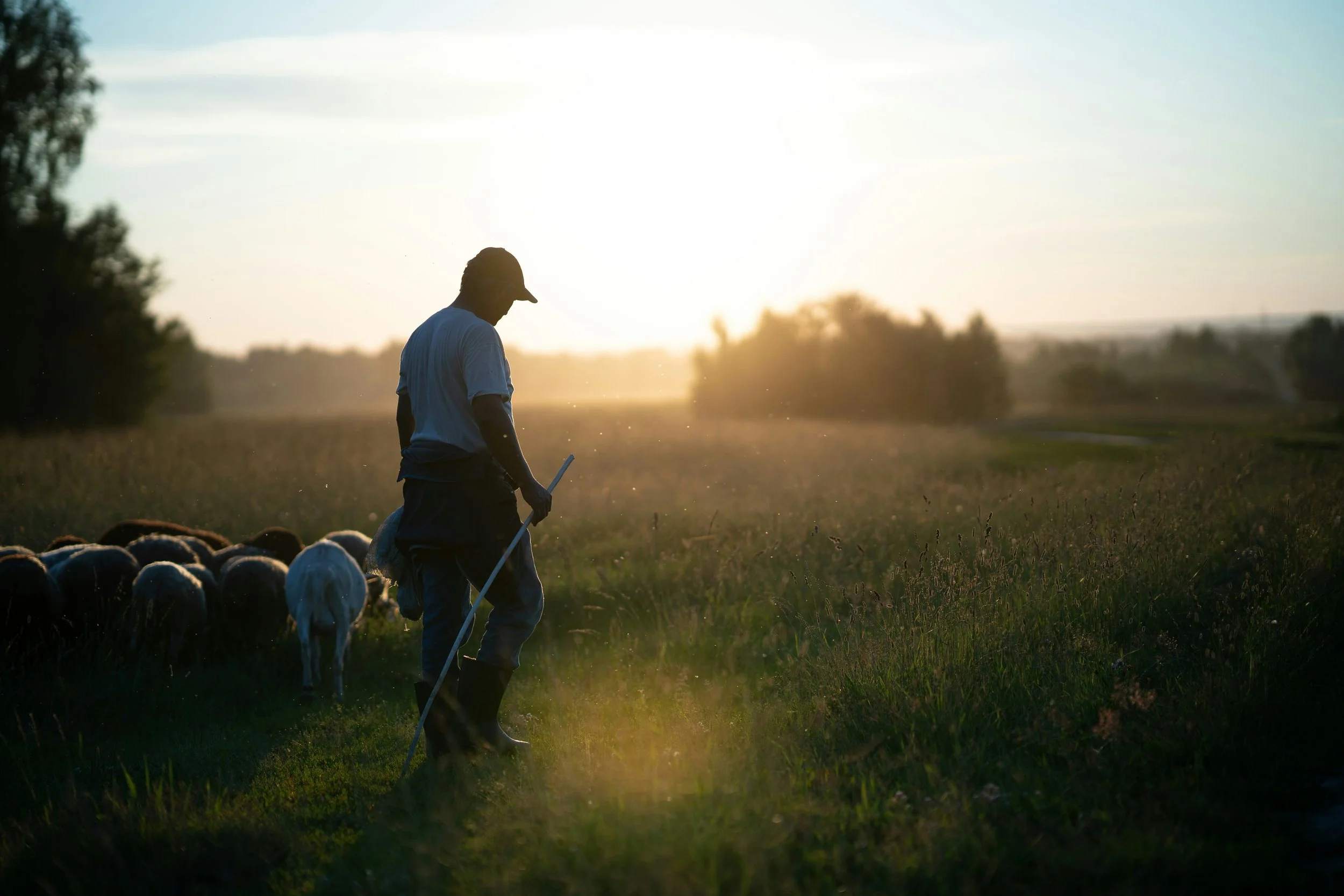
Should this change the priorities of youth ministry? I don't think so.
The priorities will look like those of any other pastor: we teach and preach, we pray, and we walk with people through their lives and circumstances. That preaching, prayer, and people focus is simply aimed at a specific demographic within the church family.
As youth pastor-shepherds, our task is to keep teaching young people about God, the faith, and what it means to follow King Jesus. Alongside the other leaders in the church, we take up pastoral oversight for those in our youth ministry.
If we want to call this a model for youth ministry, or any ministry, it can feel unique at times. Many of the books and articles we read are about pastor-as-CEO, pastor-as-thought-leader, pastor-as-manager. That leadership training can be genuinely useful, thoughtful, and beneficial but it's worth remembering this pastor-shepherd model we find in the New Testament.
1 Peter 5:1-4 is a terrific anchor to hold onto whenever we drift in priority or practice.
I exhort the elders among you as a fellow elder and witness to the sufferings of Christ, as well as one who shares in the glory about to be revealed: 2 Shepherd God’s flock among you, not overseeing out of compulsion but willingly, as God would have you; not out of greed for money but eagerly; 3 not lording it over those entrusted to you, but being examples to the flock. 4 And when the chief Shepherd appears, you will receive the unfading crown of glory.
Notice the call to shepherd God's people who are right in front of you. The ones you see week in, week out at church, at youth events, and in the community you serve. And see how this shepherding mirrors Jesus' own example: willingly, eagerly, graciously.
After twenty years in some form of youth ministry leadership, I've grown more convinced that the basics of shepherding should be the priority. Sure, the specifics change according to whatever issues are most pressing, but plenty doesn't change. The questions of who am I, where do I belong, and what am I here for are still the same questions they've always been. Jesus answers them. The Bible teaches on them. And the task of shepherding remains.
The youth pastor as shepherd may be a new idea for your congregation. Unfortunately, plenty of people won't consider the youth pastor a "real" pastor. But youth ministry isn't just a stepping stone, it's a role where the pastoral work of shepherding a group of people is still the priority. For a church pastor, relationship-building, discipleship, and pastoral care generally happen through Sunday services, daytime meetings, and evening small groups. For a youth pastor, it happens through weekly event nights, in large and small groups, and one-on-one’s where appropriate. There are regularly late nights with leaders and after-school catch-ups at the junk food restaurant of your choice. These are all good, and necessary. They're simply what it looks like to be a youth pastor-shepherd.
So what does that look like this week?
Maybe it's messaging the one student you haven't checked in on for a while, not about the next event but just to ask how they're actually going. Maybe it's turning up ten minutes early and spending that time with the kid on the fringe. Maybe it’s turning your next coffee break into an intentional one-one-one with a leader. Maybe it's praying by name, right now, for the three young people you're most concerned about.
None of that is complicated. It's not a new strategy or a five-step plan. It's just shepherding. Showing up, paying attention, and loving the sheep in front of you the way the Chief Shepherd loves you.