

What is the Image of God and Why Does it Matter for Teenagers?
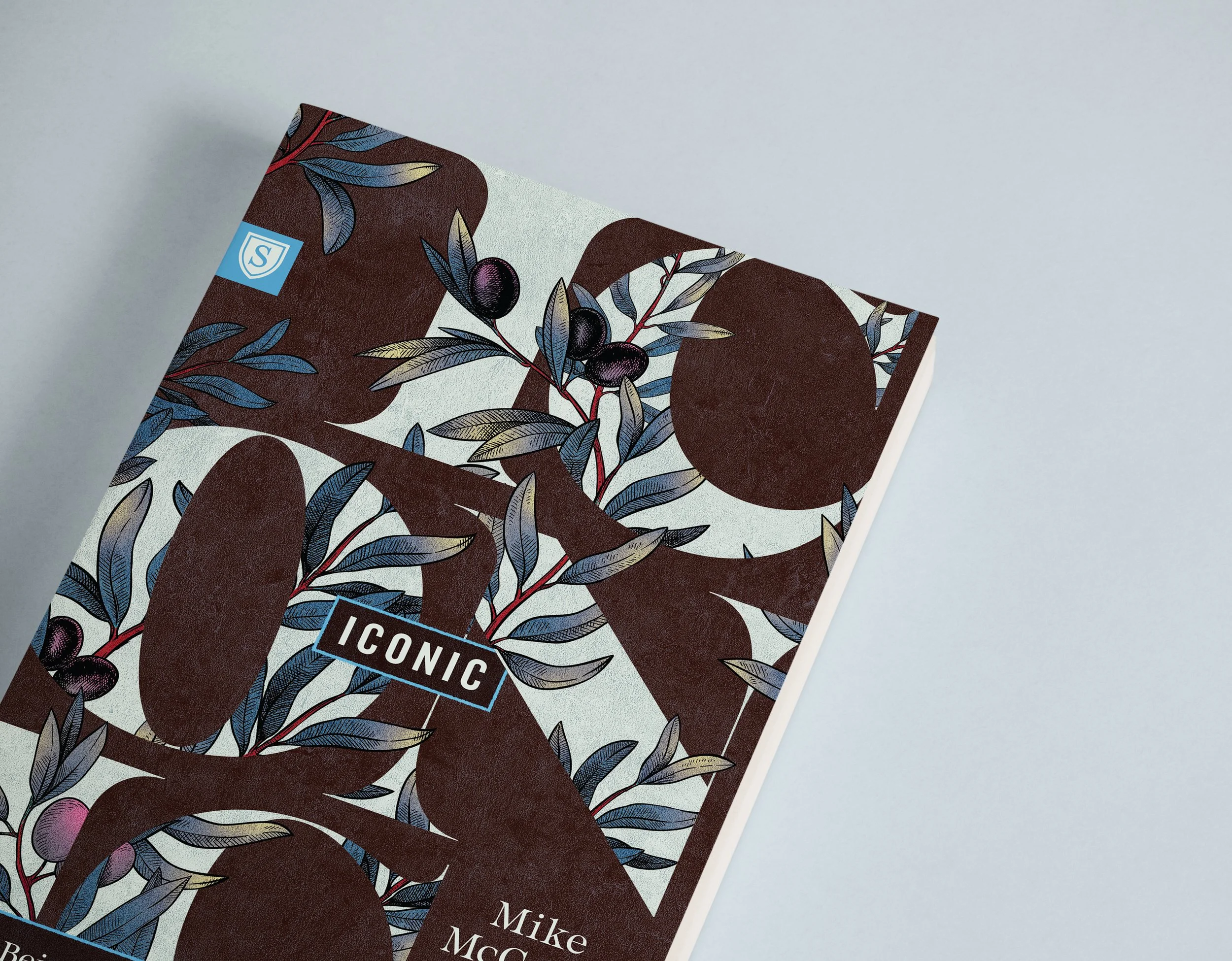
Note: this is an excerpt from Mike McGarry’s book, Iconic: Being God’s Image in Your World (New Growth Press, 2025) and is shared with the publisher’s permission. Iconic explores the biblical theme of the Image of God from Genesis through Revelation in order to help youth and young adults understand what they are as human beings before they begin to discern their own individual identity.
What is the Image of God Anyway?
The Bible teaches that God created people “in the image of God.” Genesis 1:26–28 says, “Then God said, ‘Let us make mankind in our image, in our likeness. ’” . . . So God created mankind in his own image, in the image of God he created them; male and female he created them” (Genesis 1:26–27).
One of the most foundational ways we bear God’s image is through the attributes we share with him. We are like God in many ways. God is the Creator, and so we create. God exists in eternal community within himself, and we crave community with one another. Chapter 8 will explore the “communicable attributes” in further detail. They are traits that every person shares, to some degree, with God: love, knowledge, wisdom, goodness, etc. In this way, we bear God’s image within our humanity, even though many take these traits for granted as evolutionary survival skills. In this regard, bearing God’s image means that every person is actually like God because he created us with some of his own attributes embedded into our human nature. This God-given dignity has led some to believe people are divine themselves, with no need for God at all. As ironic as that is, even this false view of humanity displays that the innate glory and honor God has given to his image-bearers is obvious to all, even those who may deny his existence. In this sense, we don’t simply bear God’s image—we are his image in this world. This is an irremovable characteristic of what it means to be human.
The book of Genesis was originally written in Hebrew. Two Hebrew words in Genesis 1:26–27 point to two sides of the same truth about how and why God created humanity: tzelem, meaning image and demuth, meaning likeness. A tzelem was a physical representation that a king would set up to remind people about his power and authority (see Daniel 3:1). Being made in God’s image and likeness means men and women were created as God’s representatives to uniquely carry out his ongoing work in creation. Our very existence is a living reminder of God’s reign and glory and provision.
Every person bears the image of God. The “image of God” is both what we are and what we do. It’s embedded within what it means to be a human being. God created us to be and to bear his image in a way that lifts others’ eyes to behold his character and goodness in us. Sin has affected our ability to do this, but it hasn’t removed the God-given dignity he wove into our humanity. The worst sinner remains God’s tzelem in this world, in the sense that what they are is living reminder of his divine nature and goodness in this world. Everyone bears God’s image, but sin has corrupted the way we bear it, so we seek our own glory and build our own kingdoms. Through the gospel, God’s image-bearers are forgiven of their sin and conformed into the image of God through faith in the person and work of Jesus Christ. Christians bear God’s glory according to God’s good design in order that all creation would see our good works and give glory to our Father in heaven (Matthew 5:16).
Why the Image of God Matters for You
Nearly every controversial issue in our culture today finds its resolution in the image of God. If the Bible's message is true and God created humans in his image then it radically transforms the way Christians approach issues like racism, gender and sexuality, abortion, mental health, injustice, disability, and euthanasia, among others. This biblical foundation shifts the conversation away from a matter of opinion and toward what human flourishing (for individuals and cultures to be healthy and full of joy) looks like according to our Creator’s good design. For example, racism is sinful and wrong because of the way it fundamentally undermines what it means to be a human being, not merely because of the harm it causes to individuals. The same principle applies to gender identity and abortion and a host of other issues. This isn’t an attempt to provide a simplistic answer to complicated issues. But without understanding the biblical message about men and women as image-bearers, we’re left without a firm foundation for these important issues.
Understanding the image of God is the missing link in the many conversations about identity. It’s like we’re trying to figure out our individual stories without realizing that we’re characters in a bigger story that’s being told. God’s story for humanity begins in creation, has important chapters throughout that helps us understand what’s gone wrong, and it gives us hope to endure because the story ends in glory. God created people to enjoy perfect intimacy with him and with one another as his image-bearers in this world.
Sin has twisted us so we’re divided—against God and one another—and tempts us to take the glory of God’s image and claim it as our own, trying to exert our power to establish our own kingdoms. But instead of giving up on us or abandoning us, God promised a Savior who came to restore the intimacy between God and people so that we would bear God’s image well and be restored into relationship with each other too. One day, sin and the corruption it has introduced into the world will be wiped away, and we will live for all eternity in God’s presence with perfect intimacy as his image-bearers. This is the bigger story that your identity fits into. Without it, you’re left on your own to define your own reality and to choose your own adventure. Although this might sound like freedom, this mindset confines you to a life that’s limited by your own wisdom, whereas embracing your God-given calling leads you into a life that is filled with God’s steadfast love.
It’s common to hear people talk about how iconic superstars like LeBron James or Taylor Swift represent the best in their respective fields. We, as God’s image-bearers, are living icons of God in this world. People are God’s living tzelem in his kingdom. We are living displays of God’s glory and reign in his creation. This is why God commanded Israel, “You shall not make for yourself an image in the form of anything in heaven above or on the earth beneath or in the waters below. You shall not bow down to them or worship them” (Exodus 20:4-5).1 Israel didn’t need to create an image for God to remind them of his glory and presence because God had already placed his image among them!
It’s so common to talk about identity in terms of Who am I?, but I want to encourage you to consider the question of identity through the question What am I? Until we ask that question, we’ll continue to struggle to understand our identity. So many of the challenges we face today, as individuals and as a broader culture, flow from the reality that we’ve forgotten what it means to be a human being. The image of God doesn’t not merely inform how we are to act and treat others, it’s an aspect of what we are as humans. As men and women who were created in God’s image, you and I have God-given dignity and value that has nothing to do with what we do. Our dignity and value isn’t determined by our GPA or resume; it’s built into us as icons of the living God who is King over creation. The way God created us as his image-bearers has a direct impact on our relationships.
Questions for Reflection
Have you ever thought about what it means for humans to be created in God’s image? What does that phrase mean to you?
What do we lose when we forget that we are created in God’s image? Why is this biblical message so important?
What does the author mean by “living an iconic life”? How does this flow from being created in God’s image?
