

The Passover Lamb and Jesus, the Lamb of God
Some movies require a rewatch because the ending changes how you understand the story’s significance, revealing connections you may have missed the first time. Many movies famously employ this storytelling method, such as The Prestige, The Sixth Sense, and The Book of Eli. Similarly, many Old Testament passages take on new significance when understood in light of Christ. The Passover, in Exodus 12, is one of these.
The final plague in the Exodus story–the death of the firstborn-highlights a pattern of salvation that finds its ultimate significance in the passion of Christ. The Passover lamb becomes an important type for understanding the person and work of Christ.
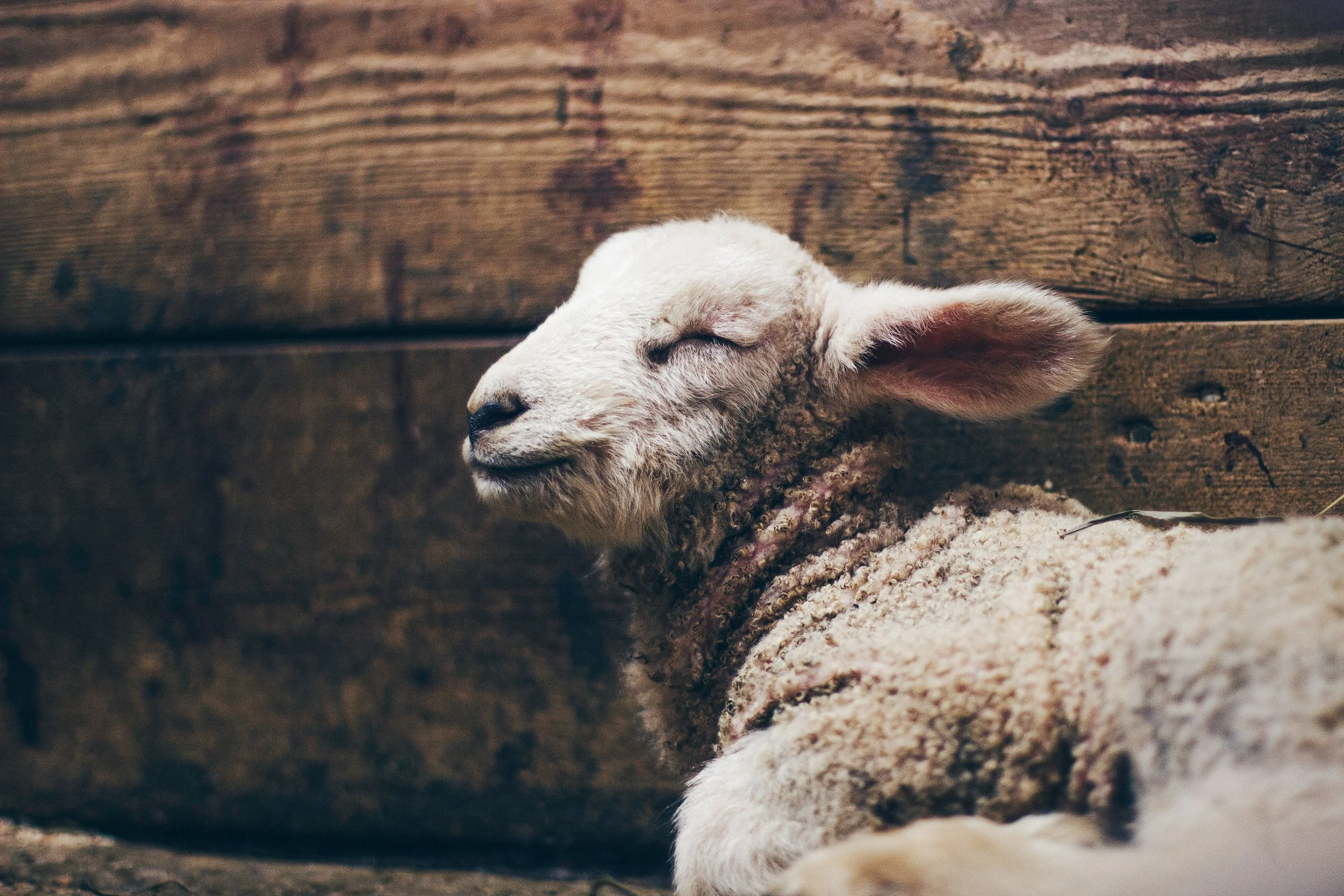
Teaching students about the Passover lamb motif will shape their view of Christ’s work and lead them to behold the long-promised gospel.
Types and Their Fulfillment
As quoted by Jason Engle in his recent blog post, Vern Poythress defines a type as “a symbol specially designed by God to point forward to a fulfillment… It prefigures or foreshadows something else still to come.” Biblical typology unlocks the Bible’s meaning and opens the door to preaching the gospel from all of Scripture. Biblical types come in many shapes and sizes, each providing a unique way of understanding the person and work of Jesus–and therefore the gospel.
As we look at the Passover lamb, we find a theme that may sometimes get sidelined in our own preaching of the gospel. J.I. Packer famously summarized the gospel message in three words: “Adoption through propitiation.” In that spirit, I believe the Passover gives us a unique lens through which to view the work of Christ: “Deliverance through sacrifice.” By looking at how the New Testament draws on the Passover lamb in Exodus 12 as a type of Christ, I believe we can understand the gospel as deliverance from slavery to sin through an atoning sacrifice.
The Passover Lamb in the New Testament
When John the Baptist endorsed the ministry and mission of Jesus, he called him “the Lamb of God, who takes away the sin of the world!” (John 1:29). When John used these words, he was tapping into a vocabulary and a shared story that revealed Jesus’s identity and mission through the image of the climactic deliverance of God’s people from Egypt. Commentators old and new have seen a primary connection to the Passover lamb in John 1:29, because John frequently connects the passion of Christ to the Passover directly (additional examples include 2:13-25, 6:4, 13:1, and 19:36). Exodus 12 does not connect the Passover lamb to the kind of sin offering language that John the Baptist uses in John 1:29, but it does merge two ideas that John draws upon: deliverance from death and an atoning sacrifice.
At the first Passover, God freed his people from physical slavery in Egypt. How did He do this? By providing a sacrifice, whose blood would protect those covered by it from the death to come. This event prefigured a greater exodus, in which God would free His people from their own spiritual slavery to sin, only this time through a better, more permanent sacrifice: the second Passover lamb would die for sinners on a Roman cross. In the person of Jesus, God was again freeing his people, but now He was saving them “from their sins” (Matthew 1:21). John the Baptist draws upon Exodus 12 to announce that hope had arrived: God had sent deliverance from sins, which would come through the sacrifice of the Lamb of God.
The Gospel in the Old Testament
Although the first Passover precedes the birth of Jesus by over one thousand years, faithfully teaching it can help us show our students how the events and images of the Old Testament shape how we understand the core truths of the gospel. The Passover lamb foreshadows Christ’s suffering and death: God offered His life so that His people could be delivered. Jesus’s death reaches back through history and adds power and meaning to the first Passover lamb.
In his work On Pascha, the early Christian bishop Melito of Sardis taught that the Passover lamb was effective to ward off the angel of death because of the future death of Christ. As a type for Christ, it helps explain what Christ does for us, but it also gains its effective power because of Christ’s work. He writes,
“Tell me angel, what turned you away?...It is clear that you turned away seeing the mystery of the Lord in the sheep and the life of the Lord in the slaughter of the sheep and the type of the Lord in the death of the sheep…”
In other words, the Passover lamb accomplished its purpose not because of anything special about the lamb, but because of God’s mercy. It turned away the angel of death because it pointed to the gospel of Jesus Christ, and Israel’s faith in the blood would establish a pattern that would continue. When we teach the Old Testament, these types of Christ lead us to proclaim the gospel because they cannot be rightly understood apart from their fulfillment.
When we point to the innocent lamb, we see our innocent Lord. When we point to the blood on the doorposts, we see the propitiating blood of the One who covers our sins. As we partake in the Lord’s Supper, we are reminded of the blood of the Lamb and the bread of Christ’s body.
It is not just that we can make these connections, but that we should. The Scriptures make sense because we read them as a unified whole. To read a passage here and a book there without considering the whole misses the significance of both. When we pay careful attention to the types of Scripture, we see the gospel echoed throughout.
As Charles Spurgeon put it, “No idea of the magnificent design of the entire Scriptures can enter the human mind by reading it in detached portions, especially if those separated passages are interpreted without reference to the run of the writer’s thoughts…”
Getting the Gospel Whole
By expanding our vision for Christ’s person and work to include the Passover lamb, we can help our students see that the gospel is multifaceted. Although the theme of atonement for sin and guilt is primary in the work of Christ, it is incomplete without the complementary theme of deliverance from death; we find both in the Passover imagery.
We are like Israel. Enslaved to sin, in need of deliverance from that which keeps us in bondage. When we look at the Passover lamb, we see a God-ordained means to freedom: through the sacrifice of an innocent substitute, the lamb of God. The truest power of this image comes from its fulfillment in Christ. If Christ had not suffered “like a lamb that is led to the slaughter” (Isaiah 53:7), then there would be no power that could protect us from death.
Once we see the fulfillment of the Passover in Christ, we can return to passages like Exodus 12 and see that the Old Testament was pointing to Him all along.