

Teaching Difficult Passages: Ezekiel 47:1-12
There are plenty of difficult passages in the Bible. Sometimes, it can feel like you have come across a passage that is the hermeneutical equivalent of a brick wall: you can’t seem to get the significance of what it means no matter how hard you try. I want to encourage you to know two things in that moment: first, you aren’t the only one, and second, don’t give up, because God can use those passages to surprise you, revealing profound truths you never expected. And it can have a significant impact on those you teach.
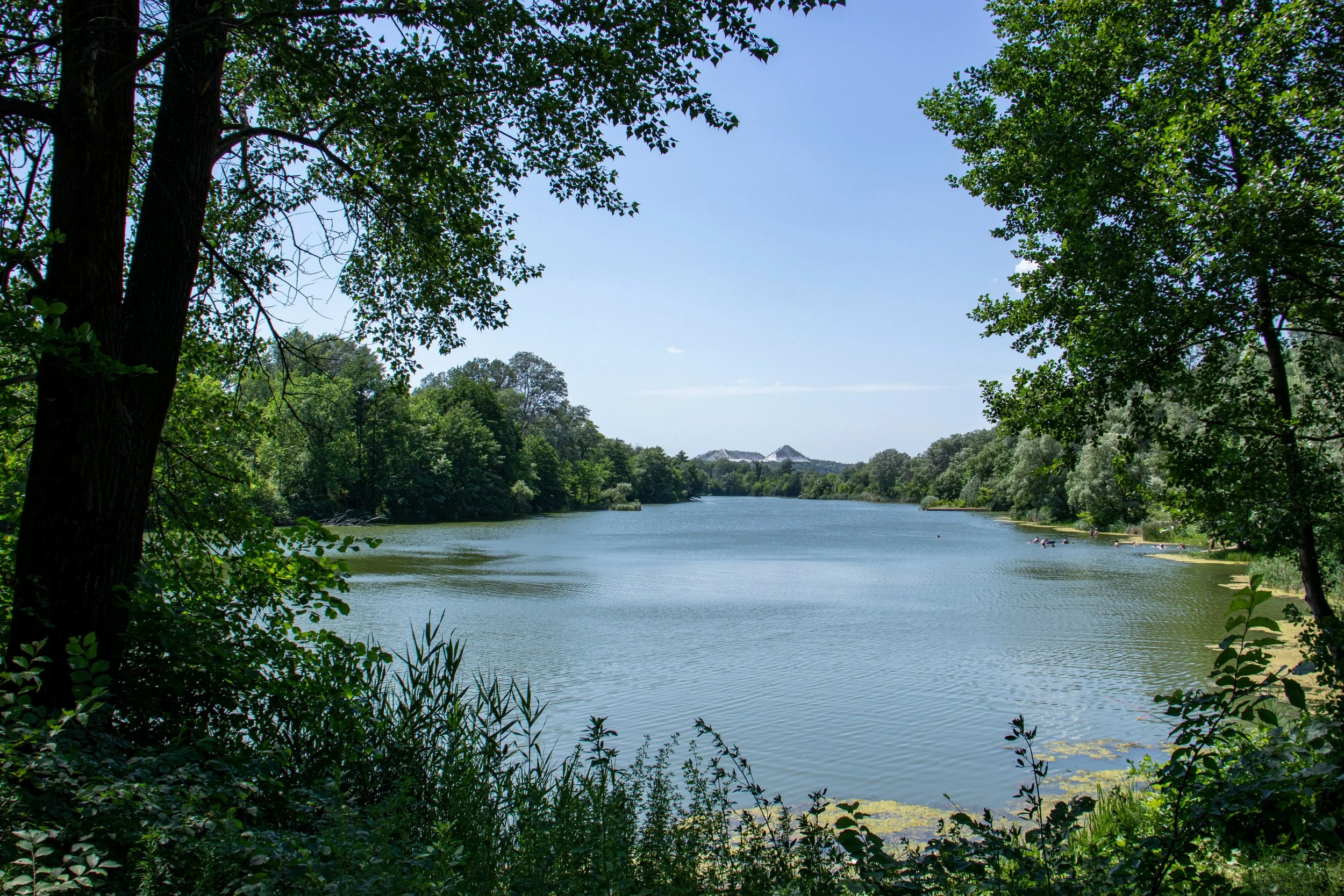
This happened to me with Ezekiel 47:1-12. I was tasked with preaching on the last Sunday of the year (affectionately known as National Youth Pastor Preaching Day), and I was struggling to select a passage. I kept returning to this text because I had read it in my personal reading and was struck by the imagery. I spent days looking through commentaries, studying the surrounding passages, and wondering whether I had made a mistake in choosing it. But the more I studied, the more I began to understand how to teach the passage, and it all hinged on a single metaphor: the River of Life.
Context: Returning to God’s Dwelling Place
Ezekiel is receiving his visions during a dark time in the life of God’s people. They have turned from the Lord, been divided, conquered, scattered, and exiled. The first half of the book details WHY this has happened: sin. God’s people no longer experience His presence the way they once did because of their sin. Like the tragic departure from Eden at the end of Genesis 3, the question that is naturally implied is, “Will God’s people ever get to experience that closeness to His dwelling place again?”
Once these oracles against Judah have ended, however, hope begins to rise anew: God speaks against the enemies of God’s people: Tyre, Egypt, etc. The final fifteen chapters are filled with promises of future hope: new hearts, new spirits, a good shepherd, returning to the land, and ultimately, a vision of a new Temple, where God’s people will be reunited with His presence and worship Him rightly, forever.
But that’s not where the book ends. Before a final division of the new land, a unique analogy takes up chapter 47: a river of life. This unique vision offers an incredible picture of the hope for God’s people: that they would be welcomed back into God’s presence by being transformed by the Holy Spirit, and this will be possible through the work of the true “living water”: Jesus Christ.
Core: Observations about this “River of Life”
What is so significant about this river in Ezekiel 47:1-12? Here are three important observations:
The Water’s Source (vs. 1-2)
This river of life originates in a special place: the Temple. The dwelling place of God, where humans were made to live and where Israel longed to return, was the source of this river. The image created here is a New Eden, where the dwelling place of God is on a mountain, with rivers flowing down it to give life to the rest of creation. Somehow, the hope for God’s people would be sent directly from the presence of God.
The Water’s Scope (vs. 3-6)
As Ezekiel follows the angel out of the Temple (following the river), he notes another intriguing feature: it is infinite. It seems to extend endlessly through the land, never drying up, and as he tries to wade through it, he finds that it seems to get deeper the further it goes. This river not only comes from an important place, but it seems to become an infinite source of life; it is so deep and so long no one can even measure it.
The Water’s Salvation (vs. 7-12)
The most important element of this river, however, is its miraculous ability to bring things to life. Again, the picture of Eden is present: trees aligning the sides of the river, bearing numerous kinds of fruit. But it isn’t just a callback to what was lost; this river is better. First, it is said to flow a miraculous route: from Jerusalem, over mountains, through valleys, and a desert, producing as Daniel Block says in his commentary on the passage, “a converse of the Exodus: an abundant river through dry land.”
Second, it flows into the Dead Sea. If the desert imagery wasn’t sufficient to communicate this river’s power to bring life where there was death, the Sea called DEAD makes it clear. This river runs straight to the place where all things go to die, and when it hits the sea, it transforms it, producing an abundant spring of life out of what was dead. Not only does the river transform what was lifeless, but it also makes it produce God-sized fruit, rivaling the Mediterranean.
Christ: Salvation is from God, by God, and for God
So how do we teach something like Ezekiel 47:1-12 in a way our students can understand and apply to their own life?
Salvation Comes from God
What the Old Testament proved is that God’s people were incapable of saving themselves. The problem of sin is far deeper than we imagine, and it fundamentally remakes image-bearers into idolaters. God’s people didn’t just need a change of circumstance to be welcome in God’s presence; they needed a change of heart. Just as the river of life comes directly from the presence of God, so too would salvation for God’s people.
And that is what we find in Jesus. John writes in His gospel that Jesus left His rightful place in glory to “dwell among us”. The invisible God became “God with us.” But even still, His glory was “veiled in flesh”; the full reunion between God and His people was still to come. To get back to the picture of Eden in Ezekiel 47, something else needed to happen.
Salvation transforms us for God
The Old Covenant had a problem: it could never change people internally. There needed to be a way for Ezekiel’s promise of a “new heart and new spirit” to come about. Once again, John’s gospel helps us see this: what Jesus would accomplish for His people is that “out of their hearts will flow springs of living water…welling up to eternal life.”
What was needed was more than just the possibility of forgiveness for God’s people. Somehow, all that Jesus would accomplish would need to be given to them directly. Enter the Holy Spirit. The perfect death and resurrection of Christ culminate in His ascension, where the Spirit is sent to indwell believers, making them into “temples of the living God.” Just as the river of life has the power to transform what was dead, so too the Spirit of God will transform dead hearts into new creations.
Salvation leads us to God
Once Christians are made “temples of the Holy Spirit”, what next? Like everything touched by the river of life, they are to bear fruit. In this case, it’s the fruit of the Spirit. The longer that we live as new creations, the more we will reflect the God who dwells within us. And ultimately, we look forward to where what He has begun in us will be completed: when we go to the New Eden, where we will live, once again, in the presence of God, forever.
As you teach students hard passages like this one, show them that studying God’s Word often requires digging deeper into context, geography, and even other passages of Scripture. Help them see how the brilliance of the gospel runs throughout the Scriptures, even in the obscure (and sometimes psychedelic) visions. And most importantly, call them to worship the God who has made their salvation possible, that they might experience the life only He can give.