

Teaching Difficult Passages: 1 John 5:16-17 and the “Sin that leads to death”
“What if I sin so badly that I lose my salvation?”
Variations of this question are far more common than some might expect. One of the more common questions is whether or not there’s one specific sin that’s simply unforgivable. Others wonder if they can out-sin God’s grace by piling up so much guilt that God won’t forgive them.
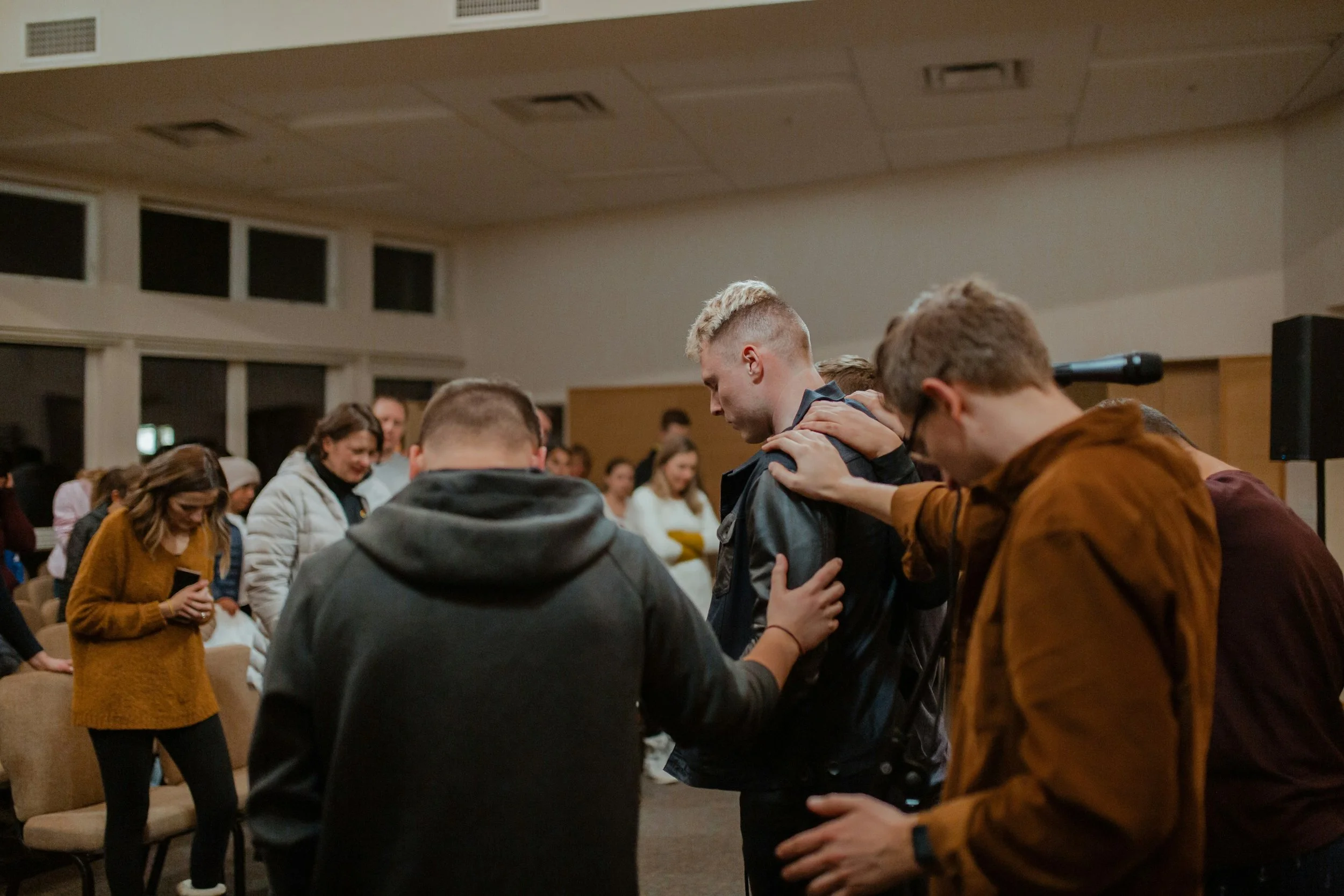
One of the passages that stokes this fear is 1 John 5:16-17, where John says:
“If anyone sees a fellow believer committing a sin that doesn’t lead to death, he should ask, and God will give life to him—to those who commit sin that doesn’t lead to death. There is sin that leads to death. I am not saying he should pray about that. All unrighteousness is sin, and there is sin that doesn’t lead to death.” (1 John 5:16–17 CSB)
These verses sound as if there’s a category of sins that God won’t forgive, and that Christians should judge what types of sin people have committed before we discern whether or not to pray for them. And this sounds contrary to the overall message of grace throughout the New Testament. How do we make sense of it?
As always, the best way to interpret Scripture is to understand its context.
General Context: Faithfulness in the Life of the Believer
The entire book of 1 John strongly emphasizes sin, confession, and the faithfulness of believers. Christians are repeatedly described as those who do not sin. It's important to realize these verses use a grammatical structure that clearly implies a continual, ongoing habit of sinning. Some of those passages emphasizing the faithful Christian life are listed below.
“If we say, ‘We have fellowship with him,’ and yet we walk in darkness, we are lying and are not practicing the truth.” (1 John 1:6)
“Everyone who commits sin practices lawlessness; and sin is lawlessness…. Everyone who remains in him does not sin; everyone who sins has not seen him or known him.” (1 John 3:4, 6)
“If anyone says, ‘I love God,’ and yet hates his brother or sister, he is a liar. For the person who does not love his brother or sister whom he has seen cannot love God whom he has not seen.” (1 John 4:20)
“We know that everyone who has been born of God does not sin, but the one who is born of God keeps him, and the evil one does not touch him.” (1 John 5:18)
Upon reading through 1 John, it should be clear that it was written to a church enduring serious conflict and division. The members are wandering away from godliness and are sinfully fighting with one another. Their fellowship is broken. John is encouraging the believers to walk in the truth by loving each other as an expression of their love for God. True Christians endure - they don't walk in habitual sinfulness, and they don't abandon the family of God. This is a clear and consistent emphasis throughout 1 John, and it sets the context for 1 John 5:16-17.
Specific Context: Prayer
The question of "sin that leads to death" and "sin that does not lead to death" is all within the context of who deserves our prayers. It may sound odd to hear Scripture encourage us to withhold prayer from anyone, but we need to realize that these prayers are a specific kind of prayer that offers a word of grace and forgiveness to our "brothers" in faith.
As Christians, we are a "priesthood of believers" who pray for one another and encourage our brothers and sisters in the Lord. We minister to each other. This is the context. It only makes sense to consider someone's life when discerning whether or not to give assurance that their sin has been forgiven. If someone is living in habitual sin, they may need a call to repentance rather than assurance of God’s forgiveness.
When trying to understand 1 John 5:16-17, imagine someone coming to their pastor for assurance of salvation. Hopefully, that’s a conversation we will treat with seriousness and care, lest we grant assurance of salvation to someone who is unconverted. Praying for someone who has committed "sin that leads to death" would be giving them a false assurance of salvation.
Three Major Interpretations
Here’s a simple breakdown of the common interpretations of “the sin that leads to death.” These aren’t exhaustive, but are my attempt to offer a snapshot of the options.
Literal Death as Result of Sin
Perhaps their sin literally led to their death. In that case, you obviously cannot pray for their repentance and restoration. The context of these verses requires that repentance and restoration are legitimate outcomes of our prayer for the person, so this specific interpretation should not be given much preference.
A more likely scenario within this interpretation applies to sins that carried the death penalty. These sins might be in view. Even today, where someone's sin brings capital punishment, we may pray for their spiritual state, but only while affirming the appropriate legal consequence of their sin. This perspective, however, doesn't seem to account for prayer legitimately giving life to the brother.
Degrees of Sin
In this view, there are differing degrees of sin. Some of which are forgivable, others that are not. This is one of the primary passages the Roman Catholic Church uses in its understanding of Mortal and Venial Sins. Under this perspective, there are specific sins so serious that they lead to spiritual death.
Apostacy & Blasphemy
This view is fairly straightforward: if “sin that leads to death” is apostasy, then the person has sinned by rejecting faith in Christ. Under this view, sin that leads to death is an embrace of sinfulness rather than a specific sin that God will not forgive. This is evidence that the person is not "a brother." In this way, their sin leads to death and should not be assured of their salvation. Instead, they should be invited to walk in the light and receive the cleansing grace of Christ.
Where I've Landed and Why
Since verses 16-17 refer to "sin that leads unto death" rather than "the sin..." it seems highly unlikely that a particular sin is in mind. Instead, the lack of a definite article before the Greek word for “sins” implies a more general use of “sins.” It is also significant that the “fellow believer” is someone who committed a sin not leading unto death, meaning they are a genuine Christian (which is why they’re called “a fellow believer”), while the person who committed the sin leading to death is not. I also believe the weight of Scripture is against developing a hierarchy of sins.
I am persuaded by the Apostasy & Blasphemy view: that this passage is speaking of prayer in a way that we are speaking a word of grace to one another. Christians who fall into sin confess their sin, repent of their sin, and are assured of their forgiveness and salvation. But those who have turned away from the gospel and embraced godlessness should not receive such assurance. As fellow believers, we pray for one another and call each other into repentance when sin rears its ugly head in our lives. We also avoid giving false assurance to those who are not in Christ. I believe this interpretation fits best with 1 John’s overall emphases.
Why This Matters: Don't Give False Assurance
Observing sinful patterns in our students should lead us to prayer. We should pray for the salvation of those who are not "fellow believers", that they would repent of their sin and walk in the light of Christ.
Assuring unbelieving students of their salvation is pastoral malpractice. This includes church kids who know a lot about the Bible and can repeat the contents of saving faith, but who show no hunger or thirsting after righteousness and in whom the fruit of the Spirit is absent. At the same time, we need to resist the temptation towards spiritual elitism and works righteousness. None of us walks in the light perfectly – this is why 1 John regularly talks about the forgiveness of God – but we should be very careful about assuring youth of their salvation unless they have made a clear profession of faith.
For those who believe themselves to be Christians but are not, we must resist the temptation to tell them their sin has been forgiven despite their lack of repentance. We should pray for wisdom about how to show them their ongoing need for the love of Christ to breathe life into their faith.
