

After the Missions Trip: How to Debrief Well
note: this month on the blog we’ll be focusing on different components of leading a short-term missions trip for youth that bears lasting fruit. Make sure to check back in for more.
Did I make the right decision? Is our team making a difference? Am I going to get fired for bringing students here? These are all questions that have come to mind when taking students on mission trips. Unfortunately, there are times where those questions seem to have overshadowed the most important question, “Has this trip been spiritually fruitful?” Leading students on these trips can be a daunting endeavor, but it can also, by God’s grace, bear spiritual fruit.
Often, it’s easy to “move onto the next thing” as soon as the trailer is unloaded. In student ministry, it can sometimes be easy to jump from event to event without giving proper reflection or evaluation about what we just experienced. Sometimes we’re just thankful we returned with the same number of students we left with!
It wasn’t until I had a few mission trips under my belt that I learned the value of properly debriefing after a mission trip. Although there isn’t a “one size fits all” approach, here are a few principles I’ve learned that has helped me debrief with missions trip teams:
Let it Breathe
If a trip has been more difficult than anticipated, or certain students are stretched further out of their comfort zone than they are accustomed to, the feedback you get during the trip may not be a true representation of the student’s experience or the trip’s overall success. It is often better to seek feedback on a trip once the team has had a chance to decompress.
I recently led students on what was easily the most difficult missions experience I’ve been a part of. The work and the effort were certainly worthwhile, but I don’t know that I have ever seen students (and adults) stretched to that degree. As we were on our way home, it was evident our students were exhausted physically, emotionally, and spiritually. Even in talking with students the following Sunday, it was evident there was still some heavy thoughts that were shaping their perspective. As the days progressed, the feedback I received ended up being more positive of the experience, even expressing interest in future trips.
For many teenagers, mission trips are the first opportunities to spend an extended amount of time putting someone else’s needs above their own. They may be exposed to circumstances that are difficult to witness and process. Some will need time individually to pieces before they can share with the group, and others will process best through discussing their shared experience together.
Get Broad Feedback
For the first few mission trips I led, debriefing looked like asking the van of students “if they enjoyed the trip” while driving back. Now, I prioritize receiving feedback from all the “stakeholders” of a trip: participants, leaders, parents, and organizations you’re serving. This ensures that I get a more balanced view of whether or not our trips met our proposed objectives. Here is how I have approached getting feedback from each group:
Students
For students, there are a couple of different ways I solicit feedback. First, I try to have individual conversations with some of my more mature students. I’ll typically start with broader questions such as “What did you think about the trip?” and then go from there. I’ll often follow that up with questions such as “What was the highlight of the trip for you?” and “What was one of the more difficult moments?”
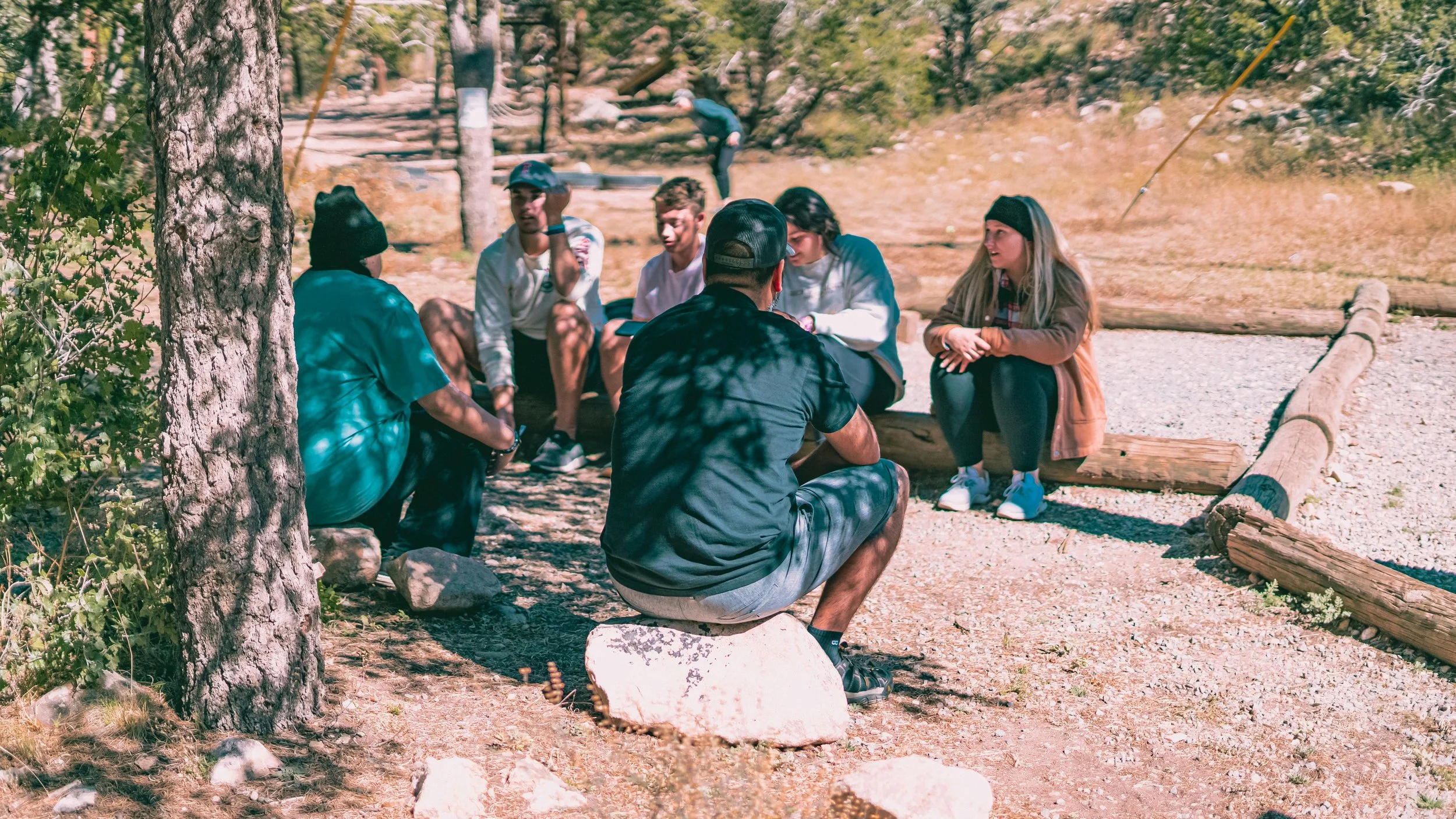
Sometimes, I’ve also debriefed trips with small groups of students. I’ve found that as students converse together about a trip/experience, it creates beautiful opportunities for reflection, encouragements, laughs, and maybe even some tears. More than that, it can even help students process how the Lord worked in their lives through what they experienced.
Surveys are something I’ve sometimes found helpful in debriefing mission trips. I will ask more direct and specific questions, particularly in regard to some of the challenges and difficult aspects of the trip. I’ll also ask some of the more spiritually direct questions such as “Tell me about any gospel conversations you had on this trip?” or “Were there moments your faith was tested on the trip?”.
Adult leaders/chaperones
As we know, adult leaders/chaperones are the lifeblood of any mission trip. If your team is a large group or you’re serving where the students are split up, having “eyes and ears” with the students is essential since you can’t be in every group. Many times, adult leaders/chaperones see aspects/angles of a trip that may be hard for you as the team leader to see. Perhaps they’re having regular conversations with the students or they’re supervising some more of the hands-on ministry activities; either way, their feedback is vital.
One of my favorite ways to capture the feedback of the adult leaders is taking them to or hosting a “thank you” meal within a few weeks after returning home. Debriefing a week of serving while breaking bread can be a sweet experience as you seek to get feedback from those who played a valuable part of the mission trip.
Parents/Guardians
In most cases, no one knows our students better than their parents/guardians. Getting their feedback upon return from a mission trip can give you insight on how the experience may have impacted the student’s daily lives. Perhaps the student is more aware of those in need than before, or maybe they are bolder with gospel conversations than they were previously.
As mentioned earlier, we took part of a mission camp experience that was difficult for several of our students. In talking with some of the parents afterwards, I gained deeper insight into the ongoing processing among some of our students. In addition to the trip's spiritual mission, I’ve found it helpful to gather parent feedback on the registration process, timing, costs, fundraising efforts, deadlines, etc. There have been many cases when parents have offered great feedback regarding pre-trip preparation that significantly improved future teams.
This may be as easy as a short conversation after a Sunday morning worship, or it may require having a follow-up meeting to debrief as a group, but you want to make sure you are intentional about requesting feedback from parents. It can also be a great opportunity to encourage parents by sharing with them about the ways you saw their son or daughter grow and serve.
Organization/Population Served
Several years ago, I took students to a mission camp where we would be serving refugee children from several different countries. It was the first time many of my students interacted with someone of a different nationality. To say it was a culture shock for some of the students is a huge understatement, and if I’m honest, many of our students really struggled to interact well.
During that week, the director of the organization we were serving pulled me aside and shared his concern regarding some of our students. The conversation was handled in an incredibly gracious and encouraging way, and I was able to take that information and share it with the students, and because of that, the week took a turn for the better. These same students begged to return to that mission camp, and I’m still taking students there over 10 years later.
Bring it Home
One of the many reasons I take students on mission trips is the impact they often have on the students upon returning home. Something I’ve always tried to challenge students in is living missionally amidst the “everyday”. While a mission trip provides unique experiences during an action-packed week, we want the lasting impact on our students to be just as evident. Here are a couple of ways we try to reinforce the mission after we get home:
Talk About It
This seems incredibly obvious, but it’s easy to get so busy that it don’t talk about the lessons you’re learning during or after the missions trip. One way I try to keep the importance of missional living in our students' minds is by starting the trip with our nightly “debriefs”. Even on day one, I try to pose questions about how to lessons they’re learning and how to bring them home. My hope is that as students serve on the trip, they will see similar opportunities to continue serving at home.
Photograph It
Something I’ve done in recent years is try to be better at finding a place in our youth area to display pictures from trips. If possible, display pictures of your students serving, being goofy while on the trip, or alongside some of the people you served. These often turn into great conversation starters, even years after a trip. Those are amazing opportunities to remember our experiences.
Follow It Up
Another helpful way to bring the mission home is to continually update students on prayer needs and important information on your missions partners. Simply put, if your trip is in collaboration with a missionary or regular missions partner, then ask to receive the newsletters and prayer requests they send to their supporters, then bring some of those reports to your group. This provides students with tangible ways to continue supporting what God is doing, remaining invested even from a distance.
The more trips I have led and coordinated, the more I have realized how the weeks following a trip are as important as the weeks leading up to it. For many of us, the logistics and planning take so much of our time and energy that we are simply too tired to put effort into the debriefing process. However, when done well, it can provide helpful information that helps you fine-tune future endeavors and leads your students to continue in obedience to what the Lord taught them during the trip. If you want lasting fruit from your missions trip, don’t view follow-up as optional.